
By Dr. Gregory C. Mitchell, MD (Urology) · Medically reviewed by Dr. Ian G. Beckford, MD (Family Medicine)
Buy Cipro online and learn how this fluoroquinolone antibiotic clears UTIs, kidney and sinus infections, and stubborn gut bugs quickly. Bayer launched ciprofloxacin in the late 1980s. Since then, it has become a familiar name in its class. Its real edge is reach. In fact, one tablet reaches bacteria in the bladder, the gut, and the lungs. As a result, clinicians lean on it for stubborn infections. Moreover, they turn to it for cases that need a strong response.
What Cipro Is and How Ciprofloxacin Works
Cipro is the brand name for ciprofloxacin. It belongs to the fluoroquinolone family of antibiotics. Because it fights bacteria only, it does nothing for a cold or the flu. A viral sore throat will not respond either. So anyone hoping to buy Cipro online still needs a clinician first. That clinician confirms the infection is truly bacterial. The medicine then blocks two enzymes bacteria use to copy their DNA. Without those tools, the cell cannot divide. As a result, the colony collapses while the immune system finishes the job.
That deep action gives Cipro a wide reach in the body. It does not stay in just one spot. Instead, it travels into many tissues at once. As a result, the same medicine works in the bladder, the gut, and the lungs alike. That flexibility is a big part of its value.
Absorption is another reason clinicians reach for it. A swallowed tablet moves into the bloodstream well. Then it spreads into tissues across the body. Notably, it concentrates in urine at high levels. That is why it shines against urinary infections. Because it comes as a tablet, most people also avoid an injection.
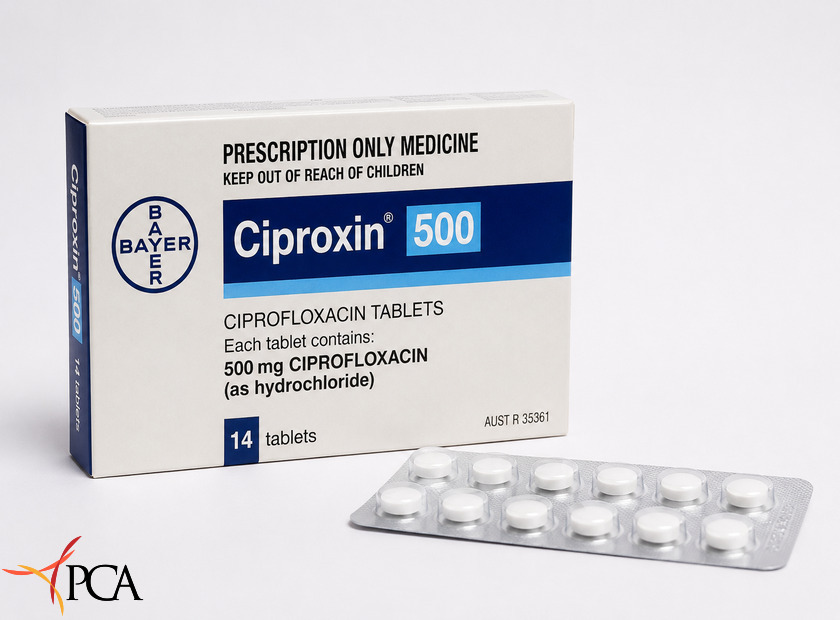
Cipro reaches patients in two ways. One is the brand tablet from Bayer. The other is generic ciprofloxacin. Both hold the same active ingredient. Likewise, both act the same way on bacteria. As a result, the milligrams on each label mean the same thing.
Antibiotic resistance shapes how Cipro is used today. Years ago, doctors reached for it more freely. Overuse, however, let some bacteria learn to survive it. As a result, health agencies tightened their advice. Now Cipro is aimed at infections that other options cannot handle well. This careful approach keeps it effective for the people who truly need it. In other words, using it wisely protects its future strength.
Ciprofloxacin is powerful, yet that power has limits. Health agencies now urge saving it for infections that truly need it. Therefore it is held back from routine cases that do not call for it. That guidance shapes how a careful prescriber uses it. Used well, it stays a strong tool. Used carelessly, however, it loses ground for everyone.
What Cipro Treats From UTIs to Sinus
Cipro treats a broad list of bacterial infections. Moreover, it works across very different parts of the body. Its range covers urinary and kidney infections. It also reaches several gut infections and some respiratory cases. In addition, it handles certain skin and bone infections. Doctors use it for prostate infections too. The common thread is the bacteria it reaches, not one organ.
Gut infections make up a large share of everyday prescriptions. For example, Cipro tackles many bugs behind traveler illness and food poisoning. That is why it lands in a lot of travel kits. It also pairs with metronidazole for diverticulitis. Diverticulitis is a painful infection of small pouches in the colon. Together, the two medicines cover a wider spread of bacteria. Meanwhile, a clinician sets the length around how severe the case looks.
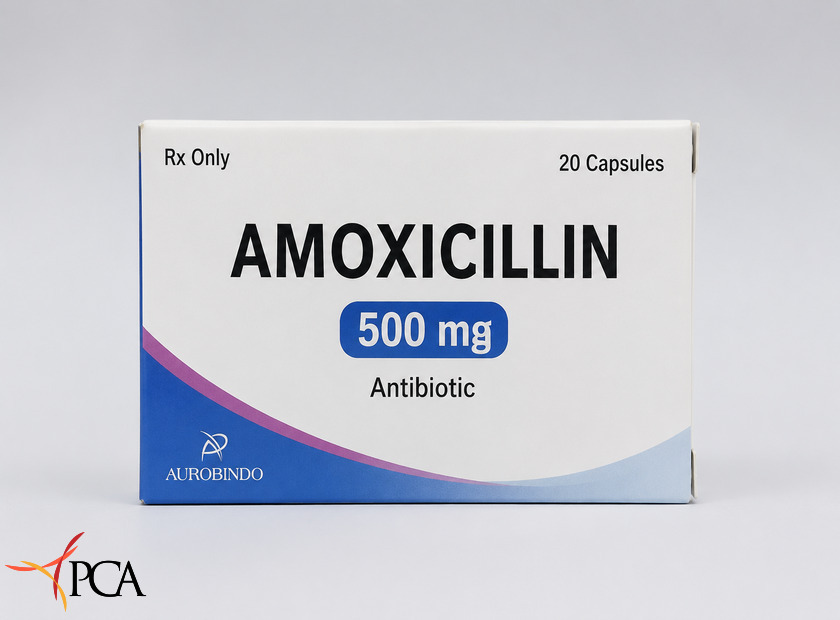
Sinus and chest infections sit lower on the list on purpose. Cipro can treat them, yet guidelines reserve it for select cases. Amoxicillin usually holds the first slot for a sinus infection. For example, resistance or an allergy can make it the right call. An unusual bacterium may point to it as well. Anthrax exposure is a rarer but well-known use. There, in fact, Cipro is a front-line option. This mix of everyday and emergency roles keeps it widely stocked.
Skin and bone infections fill out the rest of the picture. Cipro can clear an infected wound when testing shows bacteria it reaches. Likewise, it treats a deeper bone infection in the right case. Those cases often run longer than a urinary course. Sometimes, therefore, treatment stretches across several weeks. A clinician tracks the response and adjusts if progress stalls.
Prostate infections are a special strength of Cipro. The gland itself is hard for medicine to reach. Cipro, though, soaks into prostate tissue well. Therefore it often clears infections that settle deep there. A prostate course can run several weeks, longer than most. Because symptoms fade slowly, finishing the full run really matters here.
Cipro for UTIs and Kidney Infections
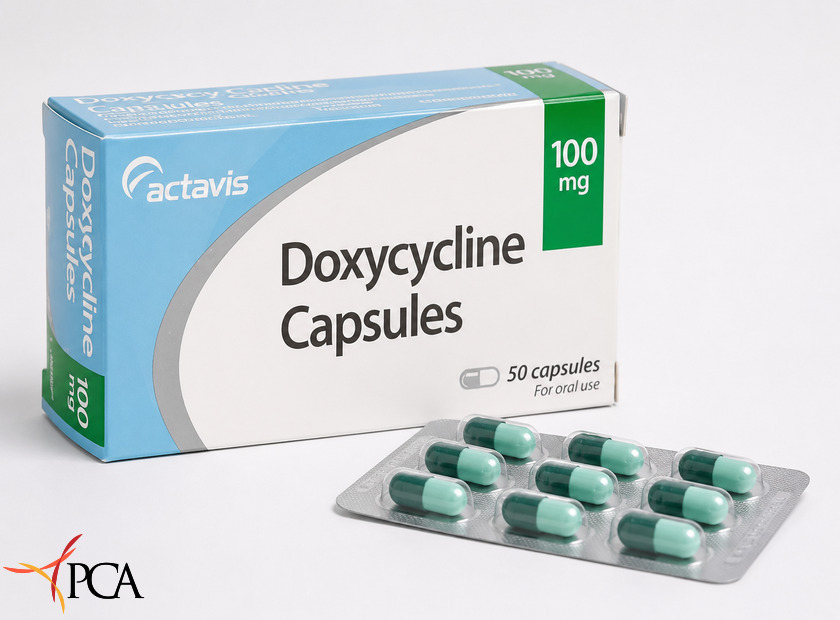
Cipro is a proven option for tougher urinary infections. For an uncomplicated UTI, however, guidelines reserve it for more stubborn cases. That saves Cipro for infections climbing toward the kidneys. Its high urine levels are exactly what a kidney infection needs. According to the CDC guidance on urinary infections, testing helps match the antibiotic to the bacteria. As a result, treatment stays aimed and short. Sometimes, in fact, symptoms that look like a UTI trace back to chlamydia instead. Doxycycline is then the right answer rather than a fluoroquinolone.
Symptoms help sort the urgency. For instance, burning and cloudy urine point to a lower infection. A quick urine test can settle that fast. Fever, flank pain, or chills suggest the infection has climbed higher. Then it needs faster care. A kidney infection also runs a bit longer than a bladder one. So a clinician weighs the picture before choosing Cipro.
Recurring infections deserve a closer look. Repeat courses, after all, rarely fix the root problem. Someone with a third or fourth UTI in a year benefits from testing. That testing hunts for a pattern. Cipro may still help, yet prevention becomes the real goal. Meanwhile, a prescriber explores what keeps the infections coming back. This wider view spares a patient from constant antibiotics.
Cipro Dosage and the 500mg Course
Cipro dosage is never one fixed number. Instead, it depends on the infection being treated. Many common courses use 500 mg twice a day. A milder case, though, may need only 250 mg. According to Mayo Clinic’s dosing overview, severe infections can call for 750 mg. Therefore the four strengths let a prescriber match the amount to the job.
Some infections break that pattern entirely. For example, a simple traveler stomach bug may clear quickly. A bone infection, by contrast, can run for weeks. The length always ties to the condition, not to how fast symptoms fade. Stopping early is the quickest way to let an infection rebound. So finishing the full course clears the bacteria and limits resistance.
The extended-release form deserves a quick note. Sold as Cipro XR, it releases the medicine slowly across the day. As a result, patients take it just once daily instead of twice. This suits some urinary infections and adds convenience. Still, it is not interchangeable with the regular tablet. So a prescriber picks the form that fits the infection and the schedule.
People often ask how long Cipro stays active. Half of a dose clears within about four to five hours. Then most of it leaves within a day or two. That quick clearance is why twice-daily dosing keeps levels steady. Anyone with reduced kidney function may need a smaller dose. A prescriber sets that during the review. Even for a standard order, someone wanting to buy Cipro 500mg still has the dose confirmed against their own history first.
A missed dose is worth handling calmly. Take it once you remember. If the next dose is already close, however, skip the old one. Never double up to catch up. Doubling only raises the odds of side effects. Older adults may also follow a slightly adjusted plan. So a prescriber spells out these details for each person.
How to Buy Cipro Online Safely
A licensed telehealth visit is the safest way to start Cipro. So patients should pick a service that requires a medical review first. During the visit, a clinician confirms the infection is bacterial. Then they check current medicines and ask about allergies, tendon history, and pregnancy. Those answers decide the dose and the length of the course. Above all, that review separates real care from a risky seller.
Speed matters with an active infection. Therefore a trustworthy pharmacy ships promptly once a prescription clears. It should also give a clear delivery estimate before checkout. Some symptoms, meanwhile, need faster in-person care. A high fever with severe flank pain is one example. Honest guidance on that point marks a safe service. In fact, many people find where to buy Cipro online faster than an urgent-care wait.
The visit itself takes only a few minutes. First, you answer questions about symptoms, health history, and current medicines. Then a clinician reviews everything and decides. If Cipro fits, the prescription moves to a licensed pharmacy. Tracking details usually arrive by email soon after. In most cases, the medicine reaches your door within a couple of days.
Can You Buy Cipro Over the Counter
Cipro is not available over the counter in the United States. Federal law makes every oral antibiotic prescription-only. This helps slow the spread of resistance. So when someone asks can you buy Cipro over the counter, no legal seller offers it. What about an overseas site instead? The risk there is real. The FDA’s BeSafeRx program warns these sellers often ship counterfeit pills. A missing intake form is one warning sign. Likewise, a price too low to be real is another. Searching for a way to buy Cipro without prescription usually leads straight to those unsafe corners.
Buy Cipro Online in 3 Easy Steps
Fill out an online intake form describing your symptoms, allergies, and current medicines.
A licensed clinician reviews your case and confirms Cipro fits the infection.
An approved prescription ships from a licensed pharmacy straight to your door.
Sometimes Cipro is not the right fit. Pregnancy or a tendon concern can rule it out. In that case, the clinician suggests a safer option. Occasionally, in-person testing comes first instead. Either way, you avoid paying for an antibiotic that cannot help.
Cipro Cost and Generic Savings
Cipro cost stays low for a medicine this useful. After all, ciprofloxacin has been generic for years. Prices do climb for larger supplies and higher strengths. A standard short course, though, remains affordable. That value is one reason many patients buy Cipro online. The table below shows reference pricing by strength and pack size. Treat it as a guide, since the quantity always comes from the prescription.
Brand-name Cipro almost always costs more than the generic. That gap reflects packaging and marketing, not a stronger medicine. Most plans default to the generic automatically. Still, a pharmacist can flag the rare case where a brand is required. For anyone paying cash, generic ciprofloxacin stays affordable. In short, the prescription still sets the amount.
Pack size is the main lever on the per-pill price. A large supply drops the cost of each tablet. That appeals to anyone facing a longer course. Most infections, however, wrap up before a big pack runs out. Buying extra wastes money and leaves antibiotics sitting at home. So sizing the order to the infection is the smarter move.
Refills also stay simple once your history is on file. For example, a pharmacy can reissue an approved course without starting over. That saves time if an infection returns and testing supports it. Costs stay predictable too, since the pricing is shown upfront. For many people, therefore, this steady process beats a rushed pharmacy trip.
Every prescription passes through a licensed clinician. That clinician reviews your history before anything ships. In other words, this review turns an online order into real care. The providers below handle telehealth visits. Moreover, they confirm whether an antibiotic is the right step.


Phone: (404) 351-7900 · Online visit: Book a telehealth visit
What the Cipro Warning Really Means
Cipro carries the FDA’s boxed warning, the highest level of safety warning used on prescription medicines. It reminds patients and clinicians that fluoroquinolone antibiotics can rarely affect tendons, nerves, or the nervous system. For most people, these problems never occur. Even so, the warning helps ensure the medication is prescribed only when its benefits clearly outweigh the risks. The FDA prescribing information for Cipro explains these precautions in more detail.
Most patients complete treatment without serious side effects. During therapy, it is simply important to pay attention to any unusual symptoms. New tendon pain, tingling or numbness in the hands or feet, or noticeable changes in mood or sleep should be discussed with a clinician as soon as possible. They may recommend stopping the medication and choosing another antibiotic if needed.
Some people have a higher chance of developing these side effects. The risk is greater in adults over 60, people taking corticosteroids, and those who have received an organ transplant. For younger adults using a short course, the overall risk remains much lower. Your clinician considers these factors before prescribing Cipro.
These precautions are not a reason to avoid Cipro when it is the right antibiotic. They simply help patients know what to watch for during treatment. Taking the medication exactly as prescribed and reporting unexpected symptoms early allows problems to be addressed promptly if they occur.
Cipro Tendon and Aorta Risks
One of the better-known precautions with Cipro involves the tendons. The Achilles tendon is affected most often. If you notice new pain, swelling, or stiffness around the heel or another tendon while taking the medication, contact your clinician promptly. They may recommend stopping Cipro and switching to another antibiotic. The risk is higher in adults over 60, people taking corticosteroids, and transplant recipients. Avoiding strenuous exercise during treatment is a sensible precaution.
Studies have also suggested a possible link between fluoroquinolone antibiotics and certain problems affecting the aorta, the body’s largest artery. This risk appears to be mainly limited to people who already have conditions such as an aortic aneurysm or significant cardiovascular disease. For most healthy adults taking a short course, the overall risk remains very low. Your clinician considers these factors before prescribing Cipro and can recommend an alternative antibiotic if necessary.
How to Take Cipro the Right Way
How you take Cipro shapes how well it works. First, swallow each dose with a full glass of water. Then keep up your fluids across the day. You can take it with or without food. Pick whichever sits better in your stomach. Also, space a twice-daily dose about twelve hours apart. One group of everyday products, though, deserves special attention.
Minerals are the main thing to keep away from a dose. Calcium, iron, magnesium, and zinc all bind Cipro in the gut. As a result, part of the dose never reaches the bloodstream. This covers antacids, supplements, and heavily fortified products. So take Cipro at least two hours before them. Six hours after works too. Spacing them out keeps the full strength working.
Caffeine is worth watching too. Cipro slows how fast the body clears it. Therefore a normal coffee habit can hit harder than usual. Some people notice jitters or a racing heart. Trouble sleeping can follow as well. Easing back on strong coffee smooths that out. Meanwhile, a phone reminder keeps the schedule on track.
A little planning makes the routine painless. For example, pair each dose with a set daily habit. A morning coffee and an evening meal work as anchors. Just remember the mineral gap around those times. Also, keep a glass of water nearby for every dose. These small steps, taken together, keep the level steady.
Storage is easy to get right. First, keep the tablets at room temperature. Also keep them away from damp bathroom air. Heat and moisture can weaken a pill. So an expired or crumbling tablet belongs in a take-back bin. A fresh supply each course works best.
Cipro Side Effects and Interactions
Most people tolerate Cipro well. Usually, the side effects are mild and digestive. Nausea, a little diarrhea, and mild stomach upset top the list. Often they ease as the body adjusts. Staying hydrated helps too. Taking each dose with a bit of food can settle the gut. The table below sorts the common complaints from the serious ones.
| Reaction | How Often | Severity | What to Do |
|---|---|---|---|
| Nausea or upset stomach | Common | Common | Take with a little food and water |
| Mild diarrhea | Common | Common | Usually settles; stay hydrated |
| Dizziness or headache | Uncommon | Common | Rise slowly; avoid driving if unsure |
| Tendon pain or swelling | Rare | Watch | Stop and call a clinician promptly |
| Severe allergy or gut infection | Rare | Serious | Seek care for rash, swelling, or bloody stool |
Interactions round out the safety picture. So a full medication list is the way to manage them. For example, Cipro can raise theophylline and tizanidine to unsafe levels. Those pairings are generally avoided. It can also boost blood thinners like warfarin. Certain heart-rhythm medicines interact as well. According to MedlinePlus, mention any irregular heartbeat before starting. That single conversation prevents most problems.
Blood sugar is another area worth watching. This matters most for people on diabetes medicines. In rare cases, Cipro can nudge glucose readings up or down. So anyone using insulin should check levels more often. A quick note to the prescriber sets the right plan. These cautions sound daunting on paper. Yet one careful review handles nearly all of them.
How to Ease Cipro Side Effects
Simple habits keep most side effects manageable. First, take each dose with a small snack. That softens the nausea people hit early. Next, stay hydrated to ease the mild diarrhea. A probiotic or plain yogurt can help the gut recover. Just space it a few hours from the dose. Rest matters too, since the infection itself can cause fatigue.
A few signals mean it is time to stop and check in. For instance, watery diarrhea that turns severe or bloody is one. That can point to a gut infection called C. difficile. It needs prompt care, not an anti-diarrhea remedy. New tendon pain or tingling also warrant a quick call. Most people, however, never reach that point. In fact, they recover fully within days of finishing.
Common Cipro Questions Answered
A few questions come up again and again. So the short answers below cover the ones asked most. They run from strength to timing to other forms.
Is Cipro a strong antibiotic?
Yes, Cipro is a powerful broad-spectrum antibiotic. That is exactly why guidelines save it for tough infections. For a simple case, however, it is usually held in reserve.
Can I drink alcohol while taking Cipro?
A single drink is unlikely to cause a direct reaction. Still, alcohol can worsen the dizziness and stomach upset. So skipping it during a short course is the easier path.
Can Cipro be taken with metronidazole?
Yes, clinicians often pair the two for infections like diverticulitis. Because each reaches different bacteria, together they cover more. A prescriber sets the timing and length for both.
Is Cipro safe during pregnancy?
Cipro is usually avoided in pregnancy unless no safer option exists. That is why the intake asks about it directly. When possible, a clinician suggests a pregnancy-friendly antibiotic instead.
Does Cipro come as ear or eye drops?
Yes, ciprofloxacin also comes as ear and eye drops. Those, however, are separate products a clinician prescribes directly. Our telehealth service focuses on the oral tablets here.
One more point ties these answers together. In short, Cipro rewards a little planning. Space minerals apart, and finish the full run. That habit clears the infection. Moreover, it keeps the medicine working for the next person.
About The Author

Medical Disclaimer
This article exists for general education only. It does not replace personal medical advice. Treatment choices belong with a licensed provider who knows your history. So reach out to a professional before you start or stop any medication.