
By Dr. Samantha Brown-Parks, MD (Family Medicine) · Medically reviewed by Dr. Sharon J. George, MD (Family Medicine)
Buy Zoloft online with a real prescription and learn how sertraline treats anxiety and depression plus what to expect during the first few weeks. Zoloft is one of the most prescribed mental health medications in the country. It belongs to a family called SSRIs, and it has been in daily use since the early 1990s. Millions of people take it for depression, anxiety, and several related conditions. This guide walks through how it works, what it costs, and how the first weeks usually feel.
What Zoloft Is and How Sertraline Works
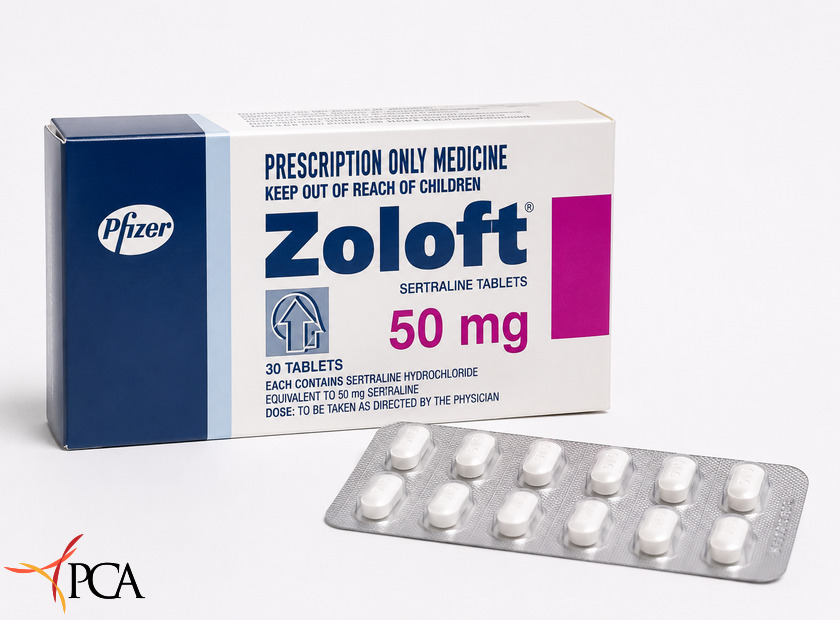
Zoloft is a prescription medication used to treat depression and several anxiety-related conditions. Its active ingredient is sertraline, and the two names refer to the same medication. Patients who buy Zoloft online through a licensed telehealth visit still need a clinician to confirm the diagnosis first. It belongs to a class called selective serotonin reuptake inhibitors, usually shortened to SSRIs. According to a clinical reference from the National Library of Medicine, sertraline is approved for a wider range of conditions than most medications in its class.
Serotonin is a chemical messenger that helps regulate mood, sleep, and worry. The brain normally recycles it through a process called reuptake. Sertraline slows that recycling down. More serotonin then stays active in the spaces between nerve cells. Over several weeks, that shift helps steady mood and ease anxiety for many people.
The effect builds gradually rather than all at once. That timing surprises people who expect a fast change on day one. Sertraline is not a sedative and does not work like one. Instead it nudges the brain’s own chemistry back toward balance over time. So patience during the first few weeks is part of how the medication is meant to be used.
Zoloft has stayed a first-choice option for good reason. Decades of use back its safety record for adults and many teens. It carries a low risk of the dependence tied to older calming medications. A clinician still reviews your history before starting it, since no single medication fits everyone. That review shapes the dose and helps set realistic expectations from the start.
The generic version deserves a quick note here as well. Sertraline is the exact same medication sold under the Zoloft brand name. It arrived once the original patent expired and now fills most prescriptions. The FDA holds it to the same standard as the brand. So the choice between them comes down to price rather than how well the medication works.
Conditions Zoloft Treats From Anxiety to OCD
Zoloft carries FDA approval for six conditions, more than most SSRIs. They span depression, several anxiety disorders, and obsessive-compulsive disorder. That broad label is a big reason clinicians reach for it so often. A prescriber matches the medication to the specific condition rather than treating every case the same way. The list below shows where sertraline is formally approved.
Generalized anxiety is a common off-label use as well. It sits close to the approved anxiety conditions and often responds the same way. Doctors also prescribe sertraline for related concerns a specialist judges case by case. Each of those decisions rests on a full history rather than a single symptom. The next two sections look at how the medication helps across these groups.
These conditions often overlap in the same person, which is part of the appeal. Anxiety and depression frequently travel together, for example. One medication that reaches both can simplify a treatment plan. That overlap also explains why sertraline shows up so often in primary care. A prescriber can address several linked concerns without stacking multiple medications.
How Zoloft Eases Anxiety and Panic
Zoloft treats anxiety by calming an overactive stress response over time. It does not blunt emotion or sedate you the way a fast-acting calming pill might. Steadier serotonin signaling makes anxious thoughts feel less constant and less sharp. Panic attacks often grow rarer and milder across the first couple of months. Social anxiety tends to ease in a similar, gradual way. Many people describe the change as finally having room to breathe between worries. That slower arc is why a prescriber may pair it with therapy while the medication takes hold.
The first days can feel counterintuitive for anxious patients. A brief bump in restlessness or jitteriness sometimes shows up early. It usually settles within a week or two as the body adjusts. Starting at a low dose keeps that effect small for most people. Knowing it may happen makes it far less alarming when it does.
Zoloft for Depression and PTSD
For depression, Zoloft works to lift low mood, energy, and interest over several weeks. Sleep and appetite frequently improve before mood does, which is a normal early sign. In PTSD, it can reduce intrusive memories and the constant sense of being on guard. The same steadying effect on serotonin drives both results. Recovery still varies from person to person and rarely follows a straight line. A clinician tracks progress and adjusts the plan when the first dose does not do enough. Combining the medication with counseling often works better than either approach on its own.
Depression rarely lifts in a single dramatic moment. More often it eases in small steps that add up over weeks. A friend might notice the change before the patient does. Tracking sleep, appetite, and energy gives a clearer read than mood alone. Those early markers help a prescriber judge whether the current dose is on track.
When Zoloft Starts to Work
Zoloft usually takes four to eight weeks to reach its full effect. Some changes show up sooner, though. Sleep, appetite, and energy often improve within the first one to two weeks. The lift in mood and the drop in anxiety tend to follow later. The timeline below shows how that progress typically unfolds.
That pattern matches what large mental health bodies report. The National Institute of Mental Health notes that antidepressants usually take four to eight weeks to work. It adds that sleep, appetite, and concentration often improve before mood does. So an early lift in those areas is a hopeful sign rather than the whole picture. A prescriber generally waits several weeks before judging whether a dose is doing enough. Sometimes mood recovers while energy does not. That residual fatigue is treated on its own, and a wakefulness medication is one option a psychiatrist may add.
The waiting period is where many people stop too soon. Side effects can appear in week one, well before the benefit arrives. That mismatch makes the early stretch the hardest part of treatment. Staying in touch with a clinician during those weeks helps far more than quitting. A small dose change or a little more time often turns the corner.
Several things shape exactly how fast the benefit lands. The condition matters, since panic and OCD can take longer than depression. Starting dose and how quickly it climbs play a part too. Age, other medications, and general health all factor in. Because of that mix, two people on the same dose may feel results weeks apart.
How to Buy Zoloft Online Safely
A licensed telehealth visit is the safest way to buy Zoloft online. Patients should use a pharmacy that requires a medical review before approving anything. During that visit, a clinician checks your symptoms, history, and any other medications you take. Those details decide the right starting dose and whether an SSRI fits your situation. A pharmacy that reviews your health first is the one to trust, while one that jumps straight to checkout is the one to skip.
People searching where to buy Zoloft often meet sketchy overseas sellers first. A trustworthy service works differently from the outset. It ships promptly once a prescription clears and gives a clear delivery estimate before checkout. Follow-up refills tend to be smoother than the first order too. By then the pharmacy already holds your history and your current dose on file.
Telehealth also removes a hurdle that keeps many people from starting. Talking about mood or anxiety in a waiting room can feel exposing. A private visit from home lowers that barrier for a lot of patients. The clinical standard stays the same as an in-person appointment. Only the setting changes, not the review behind the prescription.
Why Zoloft Still Needs a Prescription
Zoloft is prescription-only across the United States, so no pharmacy can legally sell it without a clinician’s approval. People often ask, can you buy Zoloft over the counter, and the honest answer is no. An SSRI needs a proper diagnosis and monitoring, especially in the early weeks. That is also why any offer to buy Zoloft without prescription should raise concern rather than interest. The FDA’s BeSafeRx program warns that such sellers often ship counterfeit or mislabeled tablets. Worth knowing too: Zoloft is not a controlled substance, yet it still calls for the same careful oversight as any mental health medication.
Buy Zoloft Online in 3 Easy Steps
Complete an online intake form describing your symptoms and health history.
A licensed clinician reviews your case and confirms whether sertraline fits.
An approved prescription ships from a licensed pharmacy straight to your door.
If sertraline is not the right match, the clinician can suggest another path. A different medication or a referral to therapy may fit better. Either way, the visit steers you toward real care rather than a guess. That structure matters most with mental health, where the wrong start can set progress back.
Zoloft Cost and Generic Sertraline Savings
Zoloft cost stays low because generic sertraline has been available for years. That competition keeps the price well below many other prescription medications. Many patients buy Zoloft online precisely because a larger pack lowers the price per pill. Strength and quantity shift the final number, so the figures vary by prescription. The cards below show reference pricing across the three common strengths.
Insurance often changes the final number more than any online discount. A copay can land below the cash price shown above. So it helps to check coverage before assuming a monthly supply is out of reach. Patients paying cash can ask whether a larger pack lowers the per-pill cost, since sertraline is taken daily for months. A zoloft buy online request handled by a licensed pharmacy usually includes that pricing guidance upfront.
Brand-name Zoloft almost always costs more than generic sertraline for the same strength. That gap reflects the brand, not a difference in the active ingredient. Most insurance plans default to the generic without a second thought. For patients paying cash, generic sertraline is one of the more affordable maintenance medications available. That low cost is one less barrier to staying on treatment long enough to feel the benefit.
Pack size is the lever most patients can actually control. A larger supply drops the price per pill, which adds up across a year of daily use. Sertraline is usually taken for many months at a minimum. So a ninety-day pack often makes more sense than refilling every few weeks. A licensed pharmacy lays out those options before checkout rather than after.
Every prescription passes through a licensed clinician who reviews your history before anything ships. A trained provider, not a shopping cart, decides whether the medication fits. The providers below handle telehealth visits and confirm whether sertraline is the right step.

Phone: (404) 351-7900 · Online visit: Book a telehealth visit
Zoloft Dosage From 25mg to 200mg
Zoloft dosage runs from a small 25 mg start up to a 200 mg daily maximum. A prescriber almost always begins low and raises the dose slowly. That gentle start limits the early side effects that hit hardest in week one. The target dose depends on the condition, the response, and how well you tolerate it. Sertraline is taken once daily, in the morning or the evening, with or without food.
Titration is the word for that step-by-step increase. A prescriber may raise the dose every week or two based on how you respond. Moving too fast tends to add side effects without speeding up the benefit. Moving at a steady pace keeps more people comfortable through the adjustment. The goal is the lowest dose that manages symptoms well.
Tablets also make the small early steps easy to manage. The 25 mg and 50 mg strengths let a prescriber fine-tune the climb. That flexibility matters most for patients who feel side effects quickly. A steady, unhurried increase is what keeps most people on treatment. Rushing to a higher number rarely speeds up the real benefit.
Missing a dose calls for a simple rule rather than worry. Take it when you remember, unless your next dose is nearly due. In that case, skip the one you missed and continue as usual. Two tablets at once only raise the odds of nausea. One skipped dose rarely undoes weeks of steady progress.
The best time of day comes down to how the medication affects you. Some people feel more alert on it and prefer a morning dose. Others feel drowsy and do better taking it at night. Neither timing changes how well it works overall. Picking a consistent hour matters more than the exact slot, since a steady routine helps you remember it.
Is 100mg of Zoloft a High Dose
A 100 mg dose of Zoloft sits in the middle of the range, not at the high end. The daily maximum is 200 mg, so 100 mg leaves clear room to go higher. Many people do well on 50 mg, while others need 100 mg or more to feel steady. The right dose is the one that manages symptoms with side effects you can live with. Reaching 100 mg is a normal step, not a warning sign that something is wrong. A prescriber weighs your response rather than the number alone when deciding what comes next.
Zoloft Side Effects and What to Expect
Most Zoloft side effects are mild and show up in the first week or two. Nausea, loose stools, and trouble sleeping lead the list. They usually fade as the body adjusts to the medication. A slow dose increase is the single biggest factor in how well someone tolerates it. The table below sorts the common reactions from the rare ones.
| Reaction | How Often | Severity | What to Do |
|---|---|---|---|
| Nausea | Common early on | Common | Take with food, ease in slowly |
| Sleep changes | Fairly common | Common | Shift dosing time with a prescriber |
| Headache | Sometimes | Common | Usually eases within weeks |
| Sexual side effects | Can persist | Common | Discuss options with a prescriber |
| Mood or suicidal thoughts | Mainly under age 25 | Serious | Contact a clinician right away |
| Serotonin syndrome | Very rare | Serious | Seek emergency care immediately |
One warning deserves a direct mention rather than a vague one. Antidepressants carry a boxed warning about a small rise in suicidal thoughts among people under 25. That risk is highest in the first weeks and after any dose change. Close check-ins during that window are exactly why a prescriber stays involved early. Anyone who notices worsening mood or dark thoughts should reach out that same day.
It helps to separate the effects that fade from those that linger. Nausea, headaches, and sleep changes usually settle within a few weeks. Sexual side effects can stick around longer for some people. That is a fair topic to raise with a prescriber rather than quietly endure. Options such as a dose change or a different medication often help when they persist. Erectile difficulty is the most common form in men. Tadalafil is sometimes added for it rather than switching antidepressants outright.
Does Zoloft Cause Weight Gain
Zoloft causes only modest weight change for most people, and it is not guaranteed. Some patients gain a few pounds over many months, while others notice little difference. A smaller group loses a bit of weight early, often from nausea or reduced appetite. Sertraline tends to be more weight-neutral than several older antidepressants. When weight does creep up, it is usually gradual rather than sudden. Steady eating habits and regular movement keep most of that change small. Anyone worried about the pattern can raise it with a prescriber, since other options exist if it becomes a real concern.
It also helps to separate the medication from the condition itself. Depression can change appetite in either direction on its own. As mood improves, some people simply eat more regularly again. That shift can look like a medication effect when it is really recovery. Tracking weight over months gives a clearer picture than any single week does.
What Zoloft Should Not Be Mixed With
A few combinations with Zoloft deserve real caution. The biggest concern is mixing it with other medications that raise serotonin. Together they can trigger a rare but serious reaction called serotonin syndrome. MedlinePlus medication information lists the main culprits, and a prescriber checks your full medication list against them. Sharing every pill and supplement you take keeps that check accurate.
Alcohol is the mix people ask about most. Zoloft and drinking do not cause a dangerous reaction the way some combinations do. Still, alcohol is a depressant that can deepen low mood and disturb sleep. It may also blunt the progress the medication is working to build. Most clinicians suggest limiting alcohol rather than banning it outright. Blood thinners and frequent pain relievers raise a different issue, since SSRIs can slightly increase bleeding risk. A quick review with a prescriber sorts out which of your medications need a closer look.
Over-the-counter products belong in that review as well. St. John’s wort, an herbal supplement, raises serotonin and should not be combined with sertraline. Some cough and cold remedies carry ingredients that add to the same risk. Grapefruit can nudge sertraline levels slightly, though the effect is usually minor. When in doubt, a quick question to a pharmacist clears it up before you combine anything new.
Where Zoloft Fits Among Antidepressants
Zoloft is one of several first-line SSRIs, and no single option wins for everyone. It stands out mainly for its broad set of approved uses. A clinical overview of antidepressants groups sertraline with other SSRIs that share a similar safety profile. Response to any one of them differs from person to person. That is why the choice is personal rather than a ranking.
Prescribers weigh several factors when picking a starting medication. Your specific diagnosis matters, since some options carry more approvals than others. Past response counts too, and a medication that once helped a relative sometimes guides the first try. Side effect patterns and other health conditions round out the decision. So a medication that fits one person may not suit their neighbor at all. Switching between options is common and does not mean treatment has failed.
Finding the right fit can take a try or two, and that is normal. A prescriber may adjust the dose before changing the medication entirely. If a switch is needed, the change is planned rather than abrupt. Sometimes a second medication or therapy is added instead of swapping. Each step is a data point that guides the next, not a sign of failure.
Stopping Zoloft Without Withdrawal
Stopping Zoloft works best as a slow taper guided by a clinician. Quitting abruptly can bring on discontinuation symptoms within a few days. Those include dizziness, irritability, flu-like feelings, and brief electric-shock sensations. They are uncomfortable but not dangerous for most people. A gradual step-down over weeks keeps them mild or avoids them entirely.
It helps to name what this is and is not. Discontinuation symptoms are not the same as addiction. Zoloft does not create cravings or the compulsive use that defines dependence. The body simply needs time to adjust to lower serotonin support. A prescriber sets a taper schedule that matches your dose and how long you have taken it. Stopping for good is a decision to reach together rather than alone.
Planning ahead keeps an unplanned taper from sneaking up on you. Refilling before a trip prevents an accidental gap in doses. A sudden stop while traveling is a common trigger for discontinuation symptoms. Keeping a few days of buffer removes most of that risk. A quick telehealth check-in can renew the prescription before the supply runs low.
Life changes can prompt that conversation at any point. Some people taper after a stable stretch, while others stay on treatment for years. Both paths are valid when a clinician guides them. A telehealth follow-up makes it just as simple to buy Zoloft online for a refill as it is to plan a careful taper later. The goal stays the same throughout: steady support with as few surprises as possible.
About The Author

Medical Disclaimer
This article exists for general education only. It does not replace personal medical advice. Treatment choices belong with a licensed provider who knows your full history. Reach out to a qualified professional before you start or stop any medication.