
By Dr. Jaffar Khan, MD (Neurology) · Medically reviewed by Dr. Beau B. Bruce, MD (Neurology)
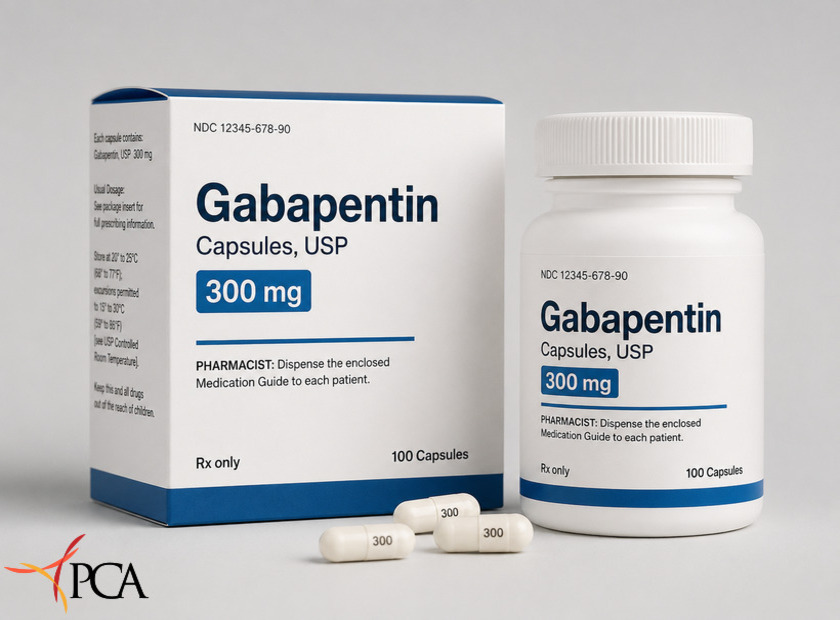
Buy gabapentin online for nerve pain from shingles or diabetes, plus partial seizures, with a gabapentinoid that quiets overactive nerve signals. The molecule was built for epilepsy in the early 1990s. Its effect on damaged nerves turned up later, almost by accident, and that second discovery now drives most of the prescriptions written for it. The same capsule strength can serve a shingles patient and a seizure patient.
Nerve Pain That Gabapentin Actually Targets
Gabapentin targets pain that starts in the nerve itself. Muscle strain and joint swelling are a different problem entirely. Damaged nerve fibers fire signals with no injury left to report. That false alarm reaches the brain as burning, tingling, or stabbing. Some people describe a jolt like static electricity. Gabapentin binds to a calcium channel subunit on those overexcited endings, and the signal loses volume. People who buy gabapentin online usually describe pain that ibuprofen never touched.
The medication carries FDA approval for a narrow set of conditions. Prescribers reach well beyond that list, because the underlying mechanism does not care which nerve is misbehaving.
Shingles pain is the flagship use. The rash clears, and in some people the nerve underneath stays raw for months. Older adults sit at the highest risk of that. A Cochrane review of gabapentin for neuropathic pain put numbers on the benefit. About 32 percent of shingles-pain patients reached substantial relief, against 17 percent on placebo. For diabetic nerve pain the figures were 38 against 23 percent, with doses running from 1200 mg daily upward.
Read that honestly and it says something useful: roughly a third of people get a clear win. The rest see modest change or none, which is normal territory for nerve pain treatment. That is why prescribers judge results after weeks, not after the first capsule.
Telling nerve pain apart from ordinary pain is the first practical step. Muscle and joint pain tends to be dull, local, and worse with movement. Nerve pain behaves differently. It burns, tingles, or shoots along a path, and it often flares at night for no obvious reason. Light touch on the skin can hurt, a symptom clinicians call allodynia. A prescriber weighs that description heavily, since gabapentin does little for pain without the nerve signature.
Sciatica sits in a grayer zone. Back pain radiating down one leg has a nerve-root cause. On paper gabapentin looks like a natural fit. In practice it helps the shooting leg pain more than the ache in the lower back. Prescribers often try it when the nerve pattern is obvious, though simple pain relievers usually get the first attempt.
One misconception deserves clearing up. Gabapentin is not a muscle relaxer, though many people assume it is because of the drowsiness. It has no direct effect on muscle tissue. Methocarbamol and cyclobenzaprine act on muscle spasm, while gabapentin acts on the signal traveling through the nerve. The two get prescribed together sometimes, which probably feeds the confusion.
Anxiety and Sleep Use Beyond the Label
Gabapentin for anxiety and sleep is off-label prescribing, and the evidence behind it is thinner than the popularity suggests. No approval covers either use. Clinicians still write it. The typical candidate did not tolerate the standard options, or carries nerve pain and anxiety together. The calming effect is real. Whether it treats the anxiety or simply sedates the body is a fair question.
Physical anxiety symptoms respond best. A restless body and muscle tension both ease at modest doses, and so does the wired feeling that keeps someone from settling. Racing thoughts and rumination respond less reliably. That uneven response is why gabapentin stays a second-line choice for anxiety rather than a starting point.
Sleep is a similar story with a sharper caveat. Gabapentin shortens the time it takes to fall asleep, and it also increases slow-wave sleep, which is unusual among sedating medications. That sounds ideal until tolerance enters the picture. Many people need more over time for the same effect. Prescribers who use it for sleep keep the dose low, and the plan gets revisited every few months.
Restless legs syndrome is the exception here, because one form does carry approval. Horizant is the extended-release version, cleared for moderate to severe restless legs and taken once daily in the early evening. Ordinary gabapentin covers the same problem off-label. Both are the same molecule. The release patterns differ enough that swapping one for the other stays a prescriber decision.
Two more off-label uses turn up often enough to mention. Hot flashes during menopause sometimes respond when hormone therapy is unsuitable, with evening dosing aimed at night sweats. Some alcohol-treatment programs add gabapentin during early recovery to blunt cravings and steady sleep. Both applications lean on the same nerve-quieting effect, aimed at very different targets.
Dosage by Condition and Kidney Function
Gabapentin dosage depends on two things above all. What is being treated comes first. How well the kidneys clear it comes second. Nerve pain, seizures, and restless legs each follow different targets. Almost every plan starts low and climbs over days, because a full dose on day one causes the dizziness that makes people quit. The table below shows the usual adult territory.
Kidney function is the single most important variable here, and it catches people off guard. Gabapentin is not broken down by the liver at all. It leaves the body unchanged through the kidneys, so weak clearance means the medication stacks up dose after dose. That is how an ordinary prescription turns into confusion, unsteadiness, and falls. Older patients carry most of that risk, so anyone over 65 or living with kidney disease needs a blood test first. The patient guidance on MedlinePlus makes the same point.
Timing carries its own rule for seizure patients, since no more than 12 hours should pass between doses. That is why a three-times-daily schedule holds even when it feels inconvenient. Nerve pain has more flexibility. A prescriber may weight the largest portion toward evening if pain peaks at night.
The first week usually follows a set pattern. Day one brings a single 300 mg capsule, often at bedtime so the drowsiness lands during sleep. Day two adds a second dose, and by day three the schedule moves to three times daily. From there the climb continues weekly rather than daily. Some prescribers stretch those early steps across two weeks for older patients. Slower titration trades a few days of waiting for far fewer dropouts.
Children follow a different formula entirely. For partial seizures between ages three and eleven, the dose runs by body weight rather than a fixed strength, usually 10 to 15 mg per kilogram split across three daily doses. A pediatric oral solution exists for exactly this reason, since a capsule cannot be divided finely enough. A pediatric neurologist sets and adjusts that schedule.
Maximum Gabapentin Dose in 24 Hours
The ceiling for adults is 3600 mg in 24 hours. Most people never approach it. Standard nerve pain plans settle between 1800 and 2400 mg. Doses above the ceiling add very little, and a quirk of absorption sits behind that.
Absorption is saturable. A transporter in the small intestine carries gabapentin across. That transporter has a fixed capacity. Roughly 60 percent of a 900 mg daily dose gets absorbed. The Neurontin prescribing information puts that figure at 27 percent once the daily total reaches 4800 mg. Doubling the capsules does not double what reaches the bloodstream. A plateau in relief often means the dose is not the problem.
Splitting doses matters for the same reason. Three moderate portions clear the transporter better than one large one. Take 1800 mg as 600 mg three times daily and more of it lands. A single evening dose wastes part of the capsule. Kidney impairment lowers every one of these numbers. The ceiling can drop to 300 mg daily or less.
How Long Gabapentin Takes to Work
Blood levels peak two to four hours after a capsule. Pain relief runs on a slower clock. Most people notice a real difference between one and two weeks. Full benefit can take four weeks. The dose is still climbing during that first stretch. Sedation and dizziness arrive on day one instead. Both usually fade as the body adjusts.
That gap between side effects and benefit explains most early dropouts. Week one feels like all cost and no return. Anyone who stops there never reaches the part where it might have worked.
The half-life is five to seven hours in someone with healthy kidneys. Short, in other words, which is precisely why three daily doses exist. Miss one and levels sag before the next is due. Advanced kidney disease stretches that half-life past 50 hours. The medication then lingers for days.
Buy Gabapentin Online After a Medical Review
Gabapentin requires a prescription in all fifty states. No legitimate pharmacy skips that step. Can you buy gabapentin over the counter anywhere in the United States? No. A site offering it without a prescription ships from outside the country, or sells something else entirely. Telehealth changes the route to the prescription. The requirement itself does not move.
The review exists for reasons specific to this medication. Kidney clearance sets the dose. Opioids in the medicine cabinet change the safety picture. State scheduling rules alter what a pharmacy can dispense and how often.
From intake form to delivered capsules
Follow-up visits handle dose changes without a fresh intake.
Holding a paper script from an in-person visit shortens all of this. Send it through the prescription upload page and the pharmacy verifies it directly. No repeat questionnaire, no second consultation fee. The clinician still confirms the strength before anything ships.
A few red flags separate a real pharmacy from the rest. Verified sites ask for a prescriber name and a state of residence. They refuse orders they cannot legally fill. Anything promising overnight capsules with no questions asked has already told you what it is.
Refills work differently once a case exists. The first order carries the full review. Later ones lean on the record already on file. Most people who buy gabapentin online for a long-term condition move to ninety-day supplies after the dose settles. A follow-up visit handles any change in strength. Anyone whose kidney function shifts needs a fresh check before the next fill, since the safe range moves with it.
Price by Strength From 100 mg to 800 mg
Gabapentin cost tracks two variables, strength and pack size, and the per-pill rate drops sharply as packs get larger. Generic competition has been fierce since 2004, which is why a nerve pain plan rarely collapses over money. The gabapentin price below covers five strengths in the two pack sizes people order most.
Notice how the arithmetic rewards volume. The gabapentin 300mg price runs $128.41 for ninety capsules, roughly $1.43 each. Triple the pack to 270 and the rate falls to $1.26. Someone on 900 mg daily burns three capsules a day, so a large pack covers three months rather than one. Patients who buy gabapentin 800mg online see the same curve.
Insurance usually beats every cash figure here. Generic gabapentin sits on the lowest tier of most formularies, and a copay can land in single digits. Checking coverage takes a minute and is worth doing first. Cash payers have one more lever. A prescriber may write 600 mg tablets meant to be split, rather than two 300 mg capsules. That decision belongs to the clinician, since not every tablet is scored for splitting. Either way the strength gets settled before you buy gabapentin online, not after.
Meet Your Piedmont Telehealth Physicians
Two board-certified neurologists handle gabapentin reviews at Piedmont Colorectal Associates. Neurology is the right specialty for this medication, since both of its approved uses sit in nerve and seizure territory. Each visit runs through kidney history and current prescriptions. The pattern of pain or seizure activity comes next, before a strength gets chosen.


Phone: (404) 351-7900 · Online visit: Book a telehealth visit
Both physicians work from a shared intake record, so a case that moves between them carries its own history. That continuity matters during titration. The strength changes every few days, and someone has to track what has already been tried.
Side Effects Patients Ask About Most
Dizziness and drowsiness top the list, reaching roughly one in four people during the first weeks. Swelling in the ankles and feet shows up in about one in twelve. Unsteady walking, blurred vision, and dry mouth fill out the common tier. Most of these ease as the body adapts, which is the whole argument for climbing slowly instead of starting at a full dose.
Weight gain and constipation are the two effects patients raise most often after the first month. Both get less attention than they deserve. Weight gain affects a small minority, and it usually means a few pounds over months rather than a sudden change. Appetite drives part of it and fluid retention in the legs drives the rest. Constipation comes from slowed gut motility. Both respond to ordinary measures: more water, more fiber, a daily walk. Neither is a reason to stop abruptly. Either is worth raising at a follow-up if the change keeps building.
Overdose signs look different from what people expect. Double vision, slurred speech, tremor, heavy lethargy, and loose stools make up the usual picture. The FDA label records acute oral ingestions well above the daily ceiling, and it also reports fatal respiratory depression with gabapentin overdose, both alone and alongside other nervous system depressants. Alcohol and opioids raise that danger sharply. Slowed or shallow breathing needs emergency care, not a wait-and-see approach.
Rarer reactions carry more weight. A widespread rash with fever and swollen glands needs same-day attention, because it can signal a multi-organ hypersensitivity reaction. Mood changes deserve mention too. Anyone with a history of depression should have someone watching during the first months.
Side effects also carry information worth reading. Dizziness that arrives after every increase usually means the climb is too fast. The same symptom appearing weeks into a stable dose points somewhere else, often at kidney function. Swelling in the ankles that keeps building deserves a look at the heart as well. A prescriber uses this timing to decide between lowering the dose and changing the plan.
Does Gabapentin Make You Sleepy
Yes, for most people, especially in the first week or two. Controlled epilepsy trials behind the approved labeling recorded somnolence in 19 percent of patients against 9 percent on placebo, and it is the single most common reason someone abandons the medication early. The sedation is dose-related. It fades in most people once the body adjusts, with two to four weeks the usual span. Sleepiness that never lifts deserves a second look rather than more patience. An untreated sleep disorder underneath it gets handled on its own terms, sometimes with a wakefulness medication.
Timing solves much of the problem. Shifting the largest portion to bedtime turns a side effect into something useful. Nerve pain interferes with sleep anyway. Many schedules end up weighted toward evening for exactly this reason.
Driving is the practical concern. Nobody should get behind the wheel until they know how a new dose affects them, and the same caution applies after every increase. Older adults face a compounded risk, because sedation and unsteadiness together raise the odds of a fall. Other sedating medications multiply all of it, which leads directly to the next section.
Mixing Gabapentin With Alcohol or Painkillers
Gabapentin has few true interactions, which surprises people expecting a long warning list. It does not pass through the liver enzymes where most conflicts happen. The real risk is additive sedation, and the serious version involves opioids. In 2019 the FDA warned about serious breathing problems with gabapentinoids. The risk concentrates in patients who also take opioids or nervous system depressants. Reduced lung function raises it too. Older adults were flagged as higher risk. That warning covers pregabalin as well, since both medications belong to the same class.
The last row answers a question people ask constantly. Ibuprofen and acetaminophen work through entirely different pathways, so pairing either with gabapentin is routine. Plenty of pain plans use both deliberately. Gabapentin handles the nerve signal while an anti-inflammatory handles the swelling around it. Naproxen may nudge gabapentin absorption slightly upward, which rarely matters at ordinary doses.
Alcohol is where judgment gets fuzzy in practice. A single glass with a stable low dose is one situation, and three drinks during the first week of titration is another. Both amplify sedation.
Muscle relaxers deserve a specific mention. The pairing is common in back pain plans. Methocarbamol or cyclobenzaprine alongside gabapentin produces sedation that neither causes alone. Prescribers who combine them usually stagger the timing and keep both at the low end.
Habit Risk and Controlled Substance Status
Gabapentin is not a federally controlled substance, not a narcotic, and not an opioid. Chemically it resembles the neurotransmitter GABA and nothing in the opioid family. The DEA overview of gabapentin confirms it sits outside federal scheduling. Individual states decide whether tighter rules apply.
Several states have decided they do. Alabama, Kentucky, Michigan, Tennessee, Virginia, and West Virginia treat it as Schedule V. Roughly a dozen more stop short of scheduling, yet still require pharmacies to report every fill to a monitoring program. The practical effects are real. Refill limits tighten, and some telehealth services cannot prescribe into those states at all.
Dependence risk is genuine but concentrated. A systematic review of gabapentin misuse found about 1.1 percent of a general population sample had ever misused it. Among people who misuse opioids the figure climbed to 15 to 22 percent. The pattern is clear enough to act on. Someone with no substance history sits at the low end of that range, while a history of opioid misuse warrants closer monitoring from the start.
Physical dependence is a separate matter from addiction, and mixing the two causes needless worry. The body adapts to steady gabapentin levels, as it does with many long-term medications. Stopping suddenly then produces withdrawal, and that holds regardless of whether anyone ever misused a single capsule. It is a fact about the nervous system, not a character judgment. It is also the reason the final section exists.
Ending Gabapentin Treatment the Right Way
Gabapentin comes down gradually, never all at once. The manufacturer’s guidance sets a minimum of one week for tapering. Clinical practice stretches that much longer for anyone who has taken it for months. Withdrawal symptoms can begin within 12 hours of a missed dose, and most appear inside the first three days.
What shows up is uncomfortable rather than dangerous for most people. Anxiety, insomnia, nausea, and sweating lead the list, and the original pain returns too, often briefly worse than before. Seizure patients face a different calculation. Abrupt discontinuation can trigger seizures even after years of stability. That group never adjusts the schedule independently.
Longer use calls for a slower descent. Someone on 2400 mg daily for two years might spend two or three months coming off, while a short course after shingles can wind down in a fortnight. Lower strengths become the useful tool at the tail end, since stepping from 300 mg to zero is harder than stepping through 100 mg first. A prescriber often switches the prescription for exactly that reason.
Sometimes a taper stalls, and that is not a failure. A step that brings back sharp pain or two bad nights of sleep is a signal to hold at the current dose rather than push through. Most prescribers pause for a week or two, let things settle, then resume with a smaller reduction. Restarting the whole schedule from the top is rarely necessary.
Stopping is not always the goal, and that is worth saying plainly. Many people take gabapentin for years with a stable dose and no escalation. Reassessment every six to twelve months is reasonable practice. Two questions matter: whether the original problem still needs treatment, and whether the current strength still fits kidney function. Anyone whose pain returns during a taper can restart, and telehealth follow-ups make it straightforward to buy gabapentin online once a case is on file.
About The Author

Medical Disclaimer
This article exists for general education only. It does not replace personal medical advice. Treatment choices belong with a licensed provider who knows your full history. Reach out to a qualified professional before you start or stop any medication.