
By Dr. Sheena M. Harmon, MD (Obstetrics & Gynecology) · Medically reviewed by Dr. Gregory C. Mitchell, MD (Urology)
Buy tamoxifen online with a valid prescription and learn how this hormone therapy lowers breast cancer recurrence and eases gynecomastia in men. Tamoxifen has anchored breast cancer care for more than forty years. It works by starving certain tumors of the estrogen they feed on. Both women and men take it, and the same tablet also has a quiet second life in men’s health. This page covers how it acts, what it costs, and what daily use really feels like.
Is Tamoxifen Chemotherapy or Hormone Therapy
Tamoxifen is hormone therapy. It is not chemotherapy. That one fact answers the question most people ask first. Chemotherapy hits fast-growing cells all over the body. Tamoxifen works in a much more focused way. It blocks estrogen, the hormone behind about two in three breast cancers. You can buy tamoxifen online with a prescription, but a clinician still confirms the diagnosis before any tablet ships.
Both women and men take tamoxifen. Most use it for breast cancer or to lower their risk of it. A few men take it for another reason we cover later. The idea stays simple. One small tablet keeps estrogen from feeding the wrong cells.
Tamoxifen belongs to a group called SERMs. The full name is selective estrogen receptor modulators. It does two jobs at once. In breast tissue it blocks estrogen. In bone it acts a little like estrogen and helps protect it. The National Cancer Institute describes this same dual action. So the medicine shuts estrogen off where a tumor would feed and leaves the helpful effects alone.
This is why the side effects look nothing like chemotherapy. Your hair usually stays. Nausea is mild for most people. There is no drip and no infusion chair. You just take one tablet a day at home, often for years. It feels more like a daily maintenance medicine than a harsh cancer treatment.
That does not make it a small choice. A SERM changes hormone signals throughout the body. So a prescriber checks your history first. Clinical guides like this StatPearls overview list tamoxifen as a hormonal medicine rather than a chemo one. Knowing that helps you know what to expect.
Doctors sometimes use it alongside chemotherapy in one plan. That overlap is where the mix-up starts. The two treatments work in very different ways. Chemotherapy clears active cancer cells. Tamoxifen then keeps the hormone-driven ones from waking up again.
One test shows whether the medicine can help. After a biopsy a lab checks the tumor for estrogen and progesterone receptors. A positive result means the cancer feeds on hormones and should respond. A negative result points to other treatments. So the tablet is matched to the tumor rather than handed out by default. That one lab finding shapes the whole plan.
Tamoxifen is also far from new, and that history reassures. It has been in daily use since the 1970s. Millions of patients have taken it since then. Newer medicines exist, yet tamoxifen still holds a central place. That long track record is a big reason doctors trust it.
How Tamoxifen Stops Breast Cancer Coming Back
The main job of tamoxifen is preventing return, not just treating what is visible. For hormone-receptor-positive breast cancer, estrogen acts like fuel. Tamoxifen removes that fuel at the source. Cells that survived surgery or radiation lose the signal they need to regrow. Over years, that quiet blockade lowers the odds of the cancer coming back.
The mechanism is easier to picture in three steps. Estrogen normally locks onto a receptor inside the cancer cell and switches on growth. Tamoxifen slips into that same receptor first. With the lock occupied, estrogen has nowhere to bind, and the growth message never fires.
Timing is where tamoxifen earns its reputation. Most people take it for five years, and some continue to ten. Longer courses squeeze extra protection from the same daily habit. The American Cancer Society notes that the benefit keeps building well past the last tablet. Stopping early trades away protection that took years to bank.
There is also a prevention role for people who never had cancer. Women at high risk can take it to lower the chance of ever developing the disease. Here the same receptor blockade acts as a shield rather than a follow-up. A clinician weighs personal and family history before suggesting that path.
The size of the benefit is what makes the daily habit worth it. Large reviews of long-term data show that tamoxifen sharply lowers the odds of recurrence during the treatment years. It also cuts the chance of a brand-new cancer forming in the other breast. Protection on that scale never arrives in a single week. It builds slowly, one tablet at a time, which is exactly why finishing the full course matters.
Menopausal status shapes how the medicine fits into a plan. Younger women often begin with tamoxifen because it works whether or not the ovaries still make estrogen. After menopause a clinician may weigh it against aromatase inhibitors, which suit that stage well. Some plans switch between the two across the years. The final call rests on age, personal risk, and how the body handles each option.
Tamoxifen for Men and Gynecomastia
Men take tamoxifen too, and for two very different reasons. The first is breast cancer, which is rare in men but very real. The second is gynecomastia, the swelling of male breast tissue driven by a hormone imbalance. Both trace back to the same culprit that tamoxifen targets so well: estrogen acting where it should not.
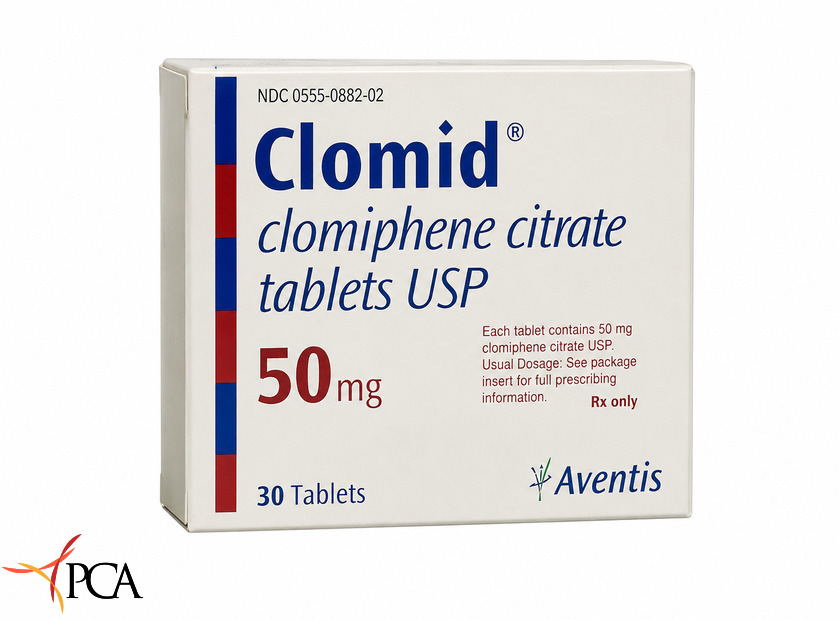
Gynecomastia happens when estrogen tips out of balance with testosterone. Another selective estrogen blocker, clomiphene, is sometimes used the same way to nudge that balance back. That shift can come from puberty, aging, certain medications, or steroid use. Breast tissue responds by growing, sometimes tender and sometimes just visible. Tamoxifen blocks estrogen at that tissue, which can shrink the swelling and ease the soreness. Results tend to be strongest when the tissue is newer rather than long established.
Male breast cancer is the more serious indication. The disease usually depends on hormones, which makes a SERM a logical fit after surgery. Men typically stay on the tablet for years, just as women do. The goal is identical: keep any lingering hormone-sensitive cells from regaining a foothold.
Off-label use for gynecomastia is common in men’s health and sports medicine. A urologist or family doctor can judge whether the swelling is likely to respond. Bloodwork often comes first to find the cause behind the imbalance. Treating that root issue sometimes matters more than the tablet itself. A short supervised course usually beats an open-ended one.
Side effects in men echo those in women, minus anything tied to the uterus. Hot flashes, mood shifts, and a lower sex drive are the usual complaints. Most fade once treatment ends. A prescriber sets the plan so the benefit clearly outweighs those trade-offs.
Dosing for men usually mirrors the standard adult amount. A 20 mg tablet a day is common, though some gynecomastia plans begin lower. Courses for swelling often run a few months rather than years. Bloodwork at follow-up shows whether the balance is drifting back toward normal. That feedback lets a provider stop the tablet once the job is done.
How to Buy Tamoxifen Online Safely
You can buy tamoxifen online in the United States only with a valid prescription. Any site that skips that step is a warning sign, not a shortcut. Tamoxifen shapes hormone signaling and carries real risks, so a licensed clinician has to sign off first. A legitimate telehealth pharmacy builds that review into the process rather than around it.
The safe route is simpler than it sounds. A provider confirms your diagnosis, checks your history, and issues the prescription electronically. From there the pharmacy fills and ships it. If you already hold a prescription from an oncologist you can upload it here to speed things up. That single upload keeps the paper trail clean and legal.
Watch for the same red flags every reputable pharmacy avoids. No prescription requirement, prices that look too good, and no pharmacist to reach all point one direction. A trustworthy service lists its licensing and answers questions before you pay. When people buy tamoxifen online through that kind of vetted channel, the medication matches the label and the dose is what a doctor intended.
The intake itself is short and private. A provider asks about your diagnosis, current medications, allergies, and relevant history. Honest answers here keep the review accurate and the prescription safe. Records from an existing oncologist make the visit faster still. Everything travels through a secure channel rather than open email.
Buy Tamoxifen Online in 3 Simple Steps
The whole path fits into three clear moves. None of them asks you to gamble on an anonymous seller.
Share your history and current medications through a secure telehealth intake form.
A licensed provider reviews your case and issues an electronic prescription.
The pharmacy fills your order and ships it to your door with dosing instructions.
Each step leaves a record, which is exactly what protects you. That structure is the difference between a pharmacy and a gamble.
Order Tamoxifen 20 mg Tablets Online
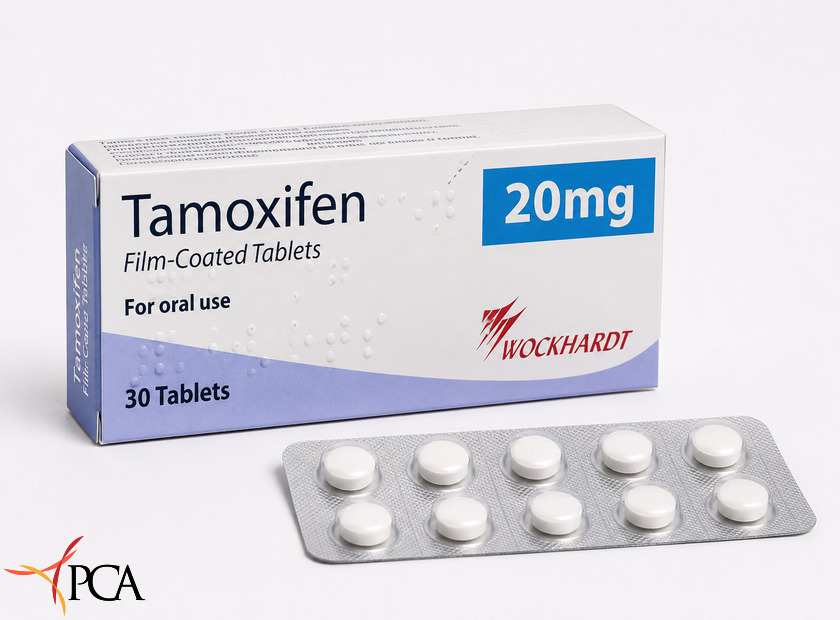
The 20 mg tablet is the standard adult strength, which is why a tamoxifen 20 mg tablet buy online request is the most common one pharmacies see. One tablet a day covers most treatment and prevention plans. Because the dose rarely changes, a larger pack tends to make sense for a medicine taken over years. A ninety-day or longer supply cuts both cost and the number of refills you have to manage.
Confirm three details before any order goes through. The strength should read 20 mg, the tablet count should match your prescription, and the pharmacy should be licensed. Get those right and the refill process becomes routine. Your provider can adjust the plan later if your dose ever shifts.
Tamoxifen Cost and Generic Nolvadex Prices
The tamoxifen cost stays low because the generic has been around for decades. Nolvadex was the original brand, but generic tamoxifen now fills nearly every prescription at a fraction of the price. That long head start is why the cost of tamoxifen sits well below many other cancer medications. Pack size is the main lever on the final tamoxifen price, since buying more at once drops the price per pill. The table below shows reference pricing for the 20 mg tablet.
Insurance can move the number more than any online discount. A copay sometimes lands below the cash price shown above, so it pays to check coverage first. Patients paying out of pocket usually do best with a larger pack, since the medicine is taken daily for years. A pharmacist can lay out those options before checkout rather than after. The savings add up quietly across a long course.
Brand Nolvadex and generic tamoxifen carry the same active ingredient at the same strength. The generic simply costs far less because the patent expired long ago. Regulators hold it to the identical standard for quality and absorption. So the practical choice comes down to price rather than results. Discount cards can trim the figure further for patients without coverage.
Convenience is a quiet reason many people shop online. A refill arrives at the door without a second trip to a counter. For a medicine taken daily over years, that ease genuinely adds up. The order still routes through a licensed provider, so nothing about safety is traded away. You gain a schedule that fits your life while the clinical review stays intact.
Price is never the only thing a pharmacy should hand you. A real provider stands behind every order, which is what separates care from a transaction. The two clinicians below review telehealth requests and confirm whether tamoxifen fits before anything ships.


Phone: (404) 351-7900 · Online visit: Book a telehealth visit
Standard Tamoxifen Doses From 5 to 20 mg
For most adults the answer is 20 mg once a day. That single dose covers standard breast cancer treatment and risk reduction alike. Some plans split the total into two smaller doses, which is where 10 mg tablets come in. A prescriber sets the exact figure, because history and goals shift the math. The table sums up how the common strengths tend to be used.
Consistency matters more than the exact hour you swallow it. Take the tablet at the same time each day with or without food. A missed dose is not a crisis, though a steady routine keeps blood levels even. Never change the amount on your own, since the dose is tuned to your case. Any adjustment belongs to the clinician who wrote the prescription.
Doses tend to hold steady over the long course rather than climb. Once a plan works, most people stay on the same strength for years. Your provider may recheck things at each follow-up and fine-tune only if needed. That stability is one reason the 20 mg tablet dominates refills.
Tamoxifen builds up in the body gradually rather than all at once. Reaching a steady level in the blood can take weeks of daily use. That slow ramp is normal and does not mean the tablet is failing early on. It also explains why one skipped dose changes so little. What counts is the pattern held over months not the timing of any single tablet.
The Worst Tamoxifen Side Effects Explained
Most side effects are mild, but a few deserve real attention. The common ones read like an exaggerated menopause: hot flashes, night sweats, and mood swings. Those rarely stop treatment. The rare but serious risks are what a clinician watches for, because they change the safety math. Knowing which is which keeps small symptoms from becoming big worries.
The everyday effects come from the drop in estrogen activity. Hot flashes lead the list by a wide margin. Some people notice vaginal dryness, irregular periods, or a lighter sex drive. These tend to ease over the first few months as the body adjusts. Fatigue is the other frequent complaint, and when it lingers past that window a clinician rules out other causes before considering a wakefulness medication. The most common ones are worth knowing at a glance.
- Hot flashes and night sweats
- Vaginal dryness or irregular periods
- Mood swings during the first weeks
- A lower sex drive
- Mild nausea that usually fades
Simple steps and a quick check-in with your provider usually keep these in check. Most people settle into the routine within a couple of months.
The serious risks are uncommon yet worth naming plainly. Tamoxifen slightly raises the odds of blood clots in the legs or lungs. It can also affect the lining of the uterus, which the next section covers on its own. Sudden leg swelling, chest pain, or trouble breathing calls for urgent care, not a wait-and-see. Those signals are the reason follow-up visits exist.
Managing the everyday effects is usually straightforward. Layered clothing and a cooler bedroom take the edge off hot flashes. A vaginal moisturizer eases dryness for many women. Regular movement steadies mood and sleep during the adjustment. When a symptom lingers a provider can offer real options rather than leaving you to cope alone.
Weight Gain Hair Loss and Joint Pain
Three complaints come up more than any others online: weight gain, hair loss, and joint pain. The honest answer is that each is possible but usually modest. Some people gain a few pounds, though studies tie less of it to the tablet than most expect. Menopause and lifestyle often drive the scale as much as the medication. A steady routine of movement and food blunts most of the change.
Hair thinning happens for a minority and rarely means full loss. It tends to be a diffuse thinning that recovers after treatment ends. Joint stiffness and aches are more common, especially in the morning. Gentle activity and a word with your provider help more than stopping the medicine. None of these three should be a reason to quit without medical advice.
Do Side Effects Ease After 5 Years
Many people ask whether year five feels different, and often it does. The common effects usually settle long before then as the body adapts. Hot flashes and mood swings tend to fade within the first year for most. What stays is the quiet background protection the tablet keeps building. The end of a five-year course is a milestone, not a cliff.
Stopping is its own decision that belongs with your oncologist. Some plans extend to ten years when the benefit outweighs the burden. Others wrap up at five, and symptoms typically lift within weeks of the last tablet. The serious risks also recede once treatment ends. Your provider weighs your history before choosing where the line falls.
Uterine Cancer Risk You Should Know
Tamoxifen carries a small but real risk to the uterus, and it is worth understanding. In breast tissue the medicine blocks estrogen, but in the uterus it can act a little like estrogen instead. That mild stimulation is what raises the odds of changes in the uterine lining. For most women the absolute risk stays low.
The concern applies mainly to women past menopause. As MedlinePlus explains, tamoxifen may increase the chance of cancer of the uterus along with strokes and blood clots. The wording sounds alarming, yet the numbers stay modest for the average patient. Doctors accept that trade because the breast cancer benefit is far larger. Context turns a scary sentence into a managed risk.
What matters is knowing the warning sign. Any unusual vaginal bleeding after menopause should be reported right away. Most of the time the cause is harmless, but it always deserves a prompt look. Catching a change early is exactly what keeps it minor. A yearly gynecologic visit fits naturally into a tamoxifen plan.
Men and premenopausal women carry far less of this particular risk. The uterine concern simply does not apply to men at all. That is one reason the safety conversation looks different for each patient. A prescriber tailors monitoring to who you are rather than a single checklist.
Routine screening beyond symptom checks is rarely needed. For women with no warning signs, extra scans of the uterus seldom help and can spark false alarms. The stronger plan pairs simple awareness with a yearly visit. Report any bleeding, keep the appointment, and let the provider guide the next step. That balance catches real problems without chasing shadows.
Foods Vitamins and Alcohol to Avoid
Tamoxifen needs your liver to switch it into its active form, and a few things interfere with that step. The enzyme responsible is called CYP2D6. Certain medicines and supplements slow it down, which can blunt how well the tablet works. Nothing on the list below is automatically off-limits, but each is worth a conversation. A quick review with your provider keeps the medicine doing its job.
- Strong CYP2D6 blockers. Some antidepressants like paroxetine and fluoxetine can lower tamoxifen’s activity and may need a swap.
- High-dose supplements. Large amounts of certain herbal products and antioxidants are best cleared with a clinician first.
- Grapefruit in excess. It nudges the same enzyme pathways, so keep intake sensible rather than heavy.
- Estrogen-like products. Supplements marketed to mimic estrogen work against the whole point of the medicine.
Alcohol is the question people ask about most. A drink now and then does not clash with tamoxifen in a dangerous way. Still, heavy drinking strains the liver that has to activate the medicine, so moderation is the smart rule. Some evidence links alcohol itself to breast cancer risk, which adds a reason to keep it light. Your provider can set a limit that fits your health.
Smoking deserves a mention of its own here. Tobacco raises the odds of blood clots, and tamoxifen nudges that same risk upward. Together the two push harder than either does alone. Quitting is the single change that helps most during treatment. A provider can point you toward support that makes the step realistic.
Everyday food is rarely a problem, which surprises people who expect a strict diet. A balanced plate supports you through a long course better than any single superfood. Soy comes up often, and moderate dietary soy is generally considered fine. What matters most is telling your care team about every supplement you take. That full list is what keeps the plan safe from start to finish.
For the right patient tamoxifen remains one of the most proven tools in breast cancer care. It lowers the odds of return, treats disease in both women and men, and steadies a hormone that would otherwise feed a tumor. A telehealth follow-up makes it simple to buy tamoxifen online for a refill once your plan is working. Lab checks and any dose changes fit into that same visit. The aim never shifts from the first tablet to the last: fewer cancers, with the risks handled up front.
About The Author

Medical Disclaimer
This article exists for general education only. It does not replace personal medical advice. Treatment choices belong with a licensed provider who knows your full history. Reach out to a qualified professional before you start or stop any medication.